How an interior drain works
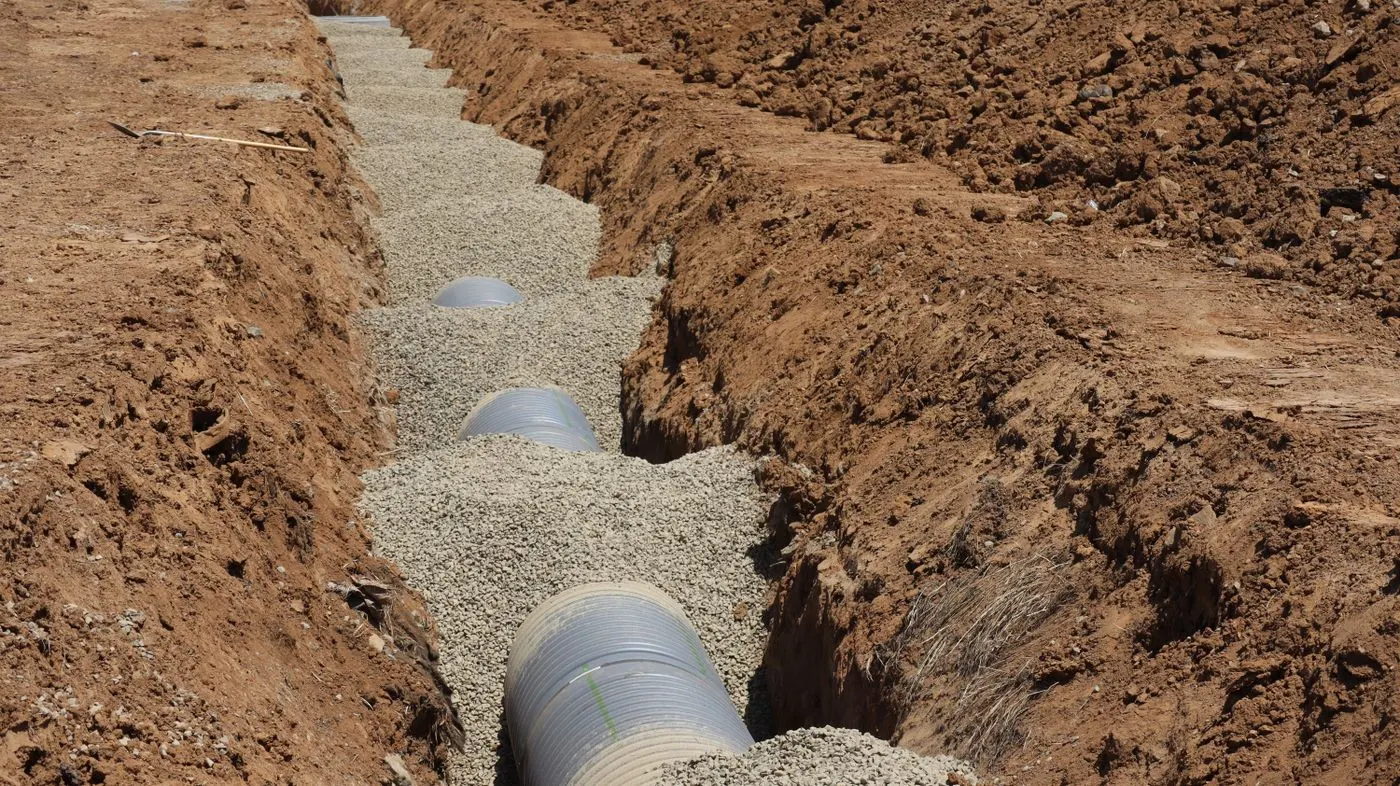
The contractor breaks out a strip of the basement floor, usually about a foot wide, along the walls that leak. They dig a trench down beside the footing, lay perforated pipe in clean stone, and slope it toward a sump pit. A dimpled plastic membrane is often placed against the wall so water running down it drops into the drain instead of onto the floor. Then the trench is covered with fresh concrete.
The system does not stop water from reaching the wall. It gives that water an easy path away, which relieves the pressure that pushes it through the cove joint and up through the slab.
- Concrete cut along the perimeter
- Trench beside the footing
- Perforated pipe in washed stone
- Wall membrane or drainage board
- Sump pit and pump with discharge outside
- New concrete over the trench
When an interior drain makes sense
Interior drains are common when water comes in at the cove joint or up through the floor, when exterior access is blocked by driveways, patios or neighboring houses, or when excavating would be far more expensive. They work for poured, block and many stone foundations. They are less useful when the only problem is one crack or poor gutters, which can be fixed for much less.
What to ask
Ask how many linear feet they plan to cover and why, whether they will drill weep holes in block walls, what size and type of pipe they use, whether there will be cleanouts to flush the line, and how the new concrete will be finished. Ask whether the price includes a new sump pump and a battery backup. If your basement is finished, ask how walls and flooring will be removed and replaced, since the drain runs right along the wall line.
Living through the install
Jackhammering is loud and dusty. Expect the crew to seal off the work area with plastic, but plan to move stored items away from the walls beforehand. Most homes need one to three days for the work, depending on the length of wall and how much concrete has to come out. New concrete over the trench needs time to cure before you put heavy items back.
Keeping it working
An interior drain needs very little care, but the sump pump at the end of it does. Test the pump a few times a year, keep the pit lid closed and clear of debris, and make sure the outside discharge line is not buried, frozen or pointed back toward the house. If the drain has cleanout ports, ask the contractor how and when to flush them.
Typical interior drain costs
National figures from Fixr. Not quotes.
| Job | Typical range |
|---|---|
| Interior French drain, per linear foot | about $40 to $100 |
| French drain, most projects | about $2,800 to $6,500 |
| Drain combined with sump pump, per linear foot | about $65 to $75 |
| Interior perimeter drain, per linear foot (waterproofing guide) | about $40 to $120 |
National figures, rounded, not quotes. Your price depends on linear footage, slab thickness, finished space and pump choice.
Questions homeowners ask
Is an interior French drain the same as a sump pump?
No. The drain collects water along the walls and carries it to the sump pit. The sump pump then lifts that water out of the house. They work together.
Does an interior drain work for a finished basement?
Yes, but the bottom of the walls and flooring along the perimeter usually have to come out and be put back. Ask the contractor to include that in the price or say clearly that it is not included.
How much does an interior drain cost?
Fixr lists interior French drains at about $40 to $100 per linear foot, with most whole projects around $2,800 to $6,500. A full basement perimeter with a new pump can run higher.
Other services
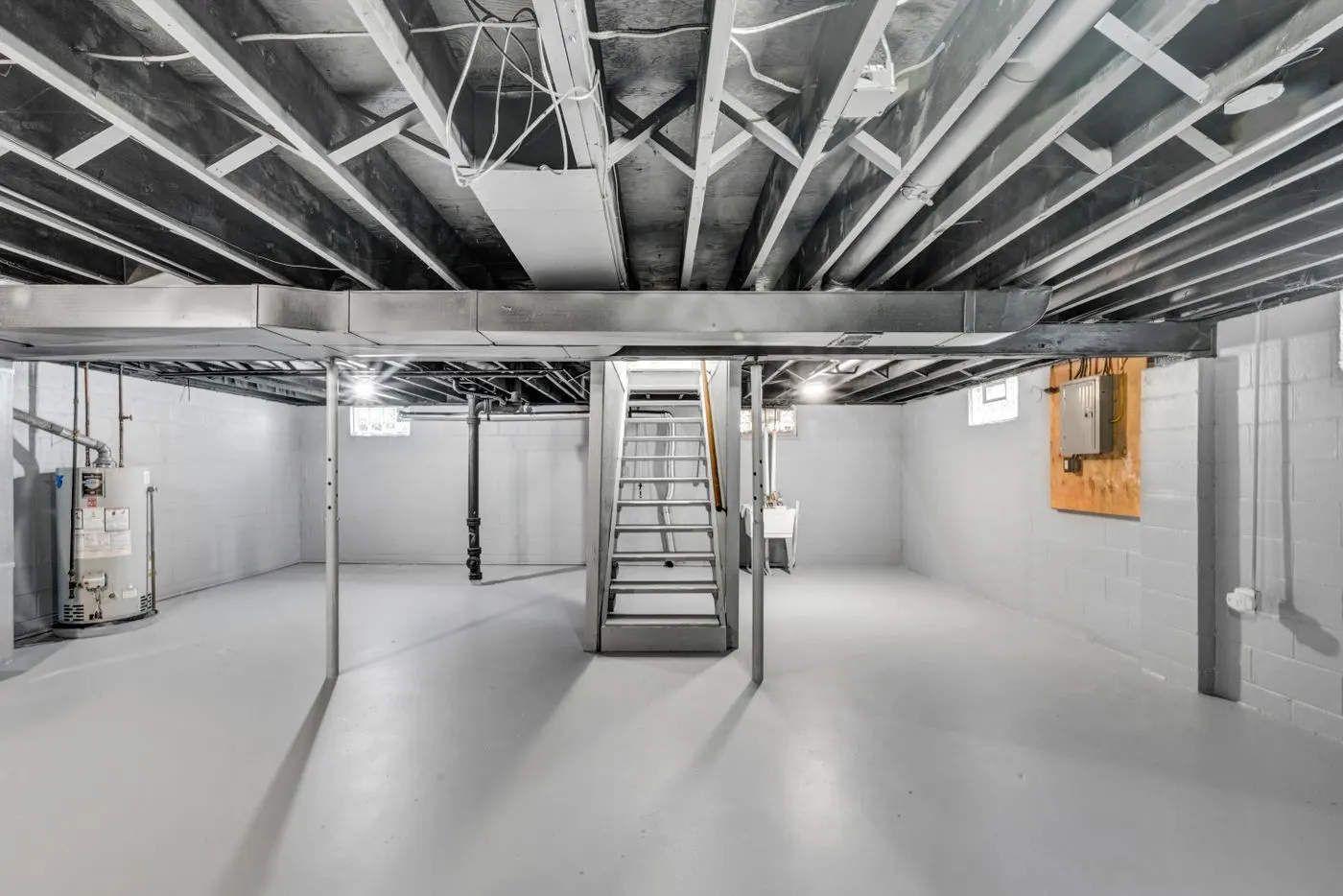
Basement waterproofing
Diagnosis and a fix for basements that leak, seep or stay damp.
Sump pump installation
New pumps, replacements and battery backups for wet basements.
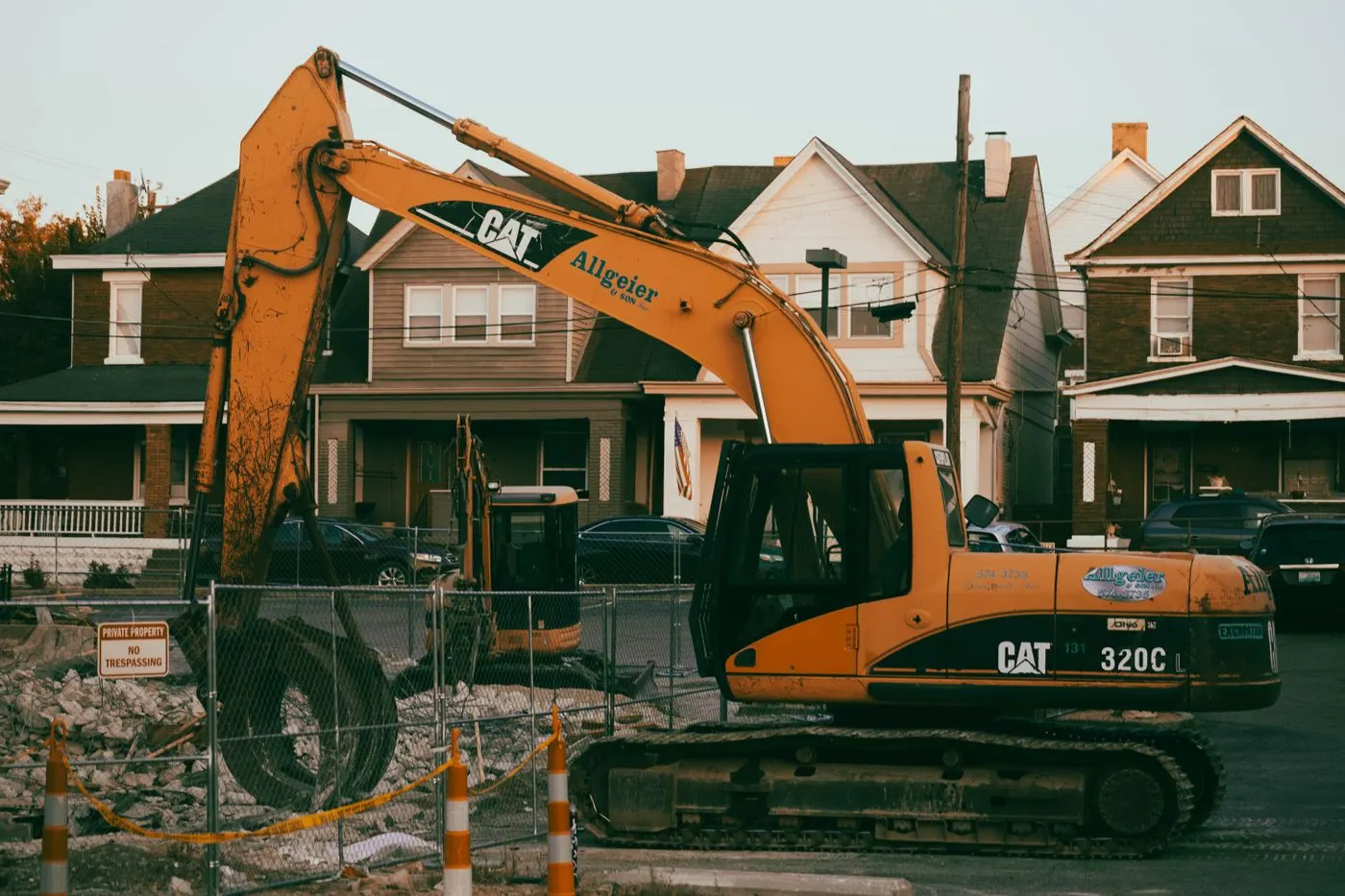
Exterior foundation waterproofing
Excavation, membranes and footing drains that keep water off the wall.
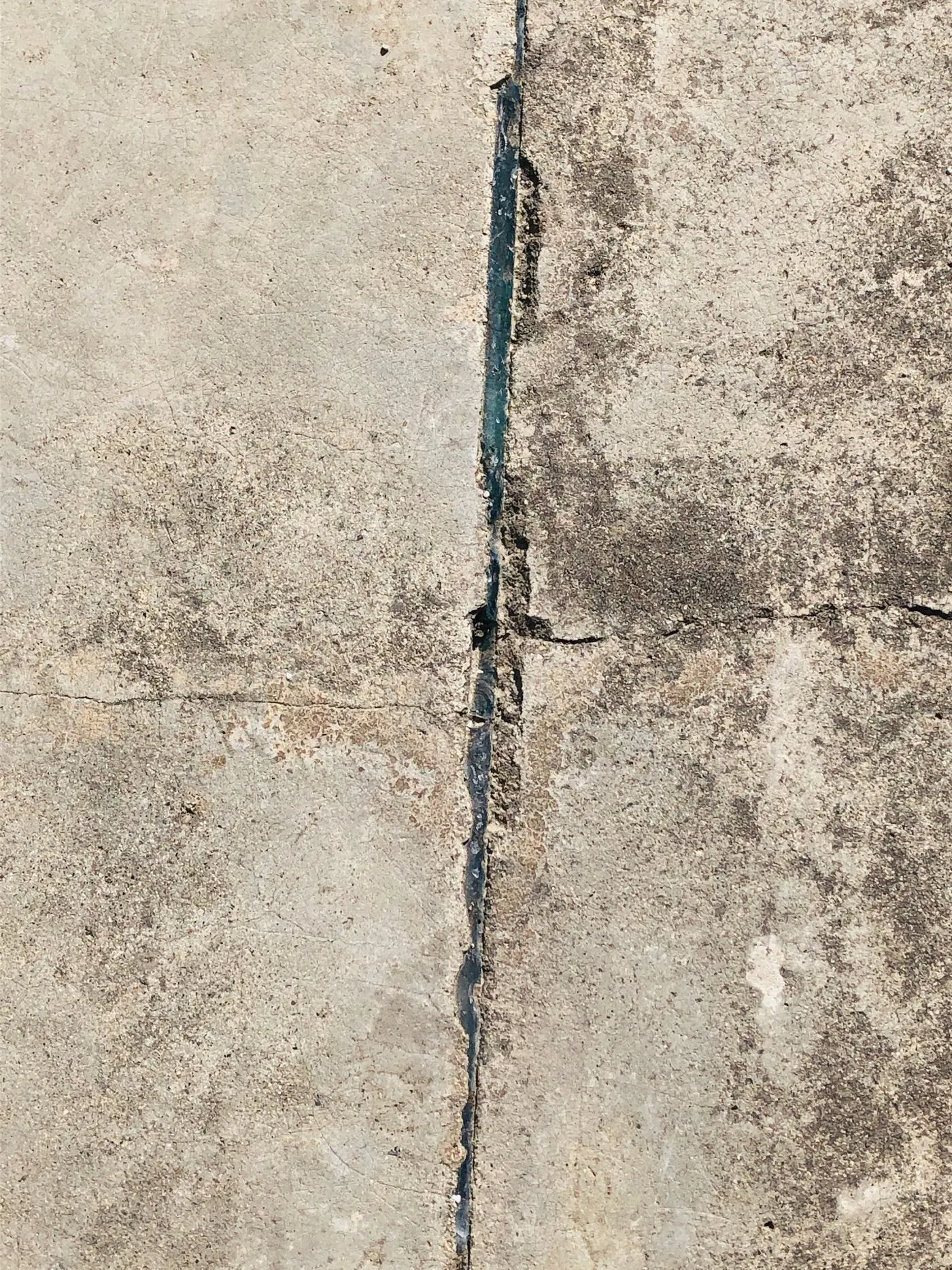
Foundation crack repair
Injection and sealing for leaking cracks in poured concrete walls.
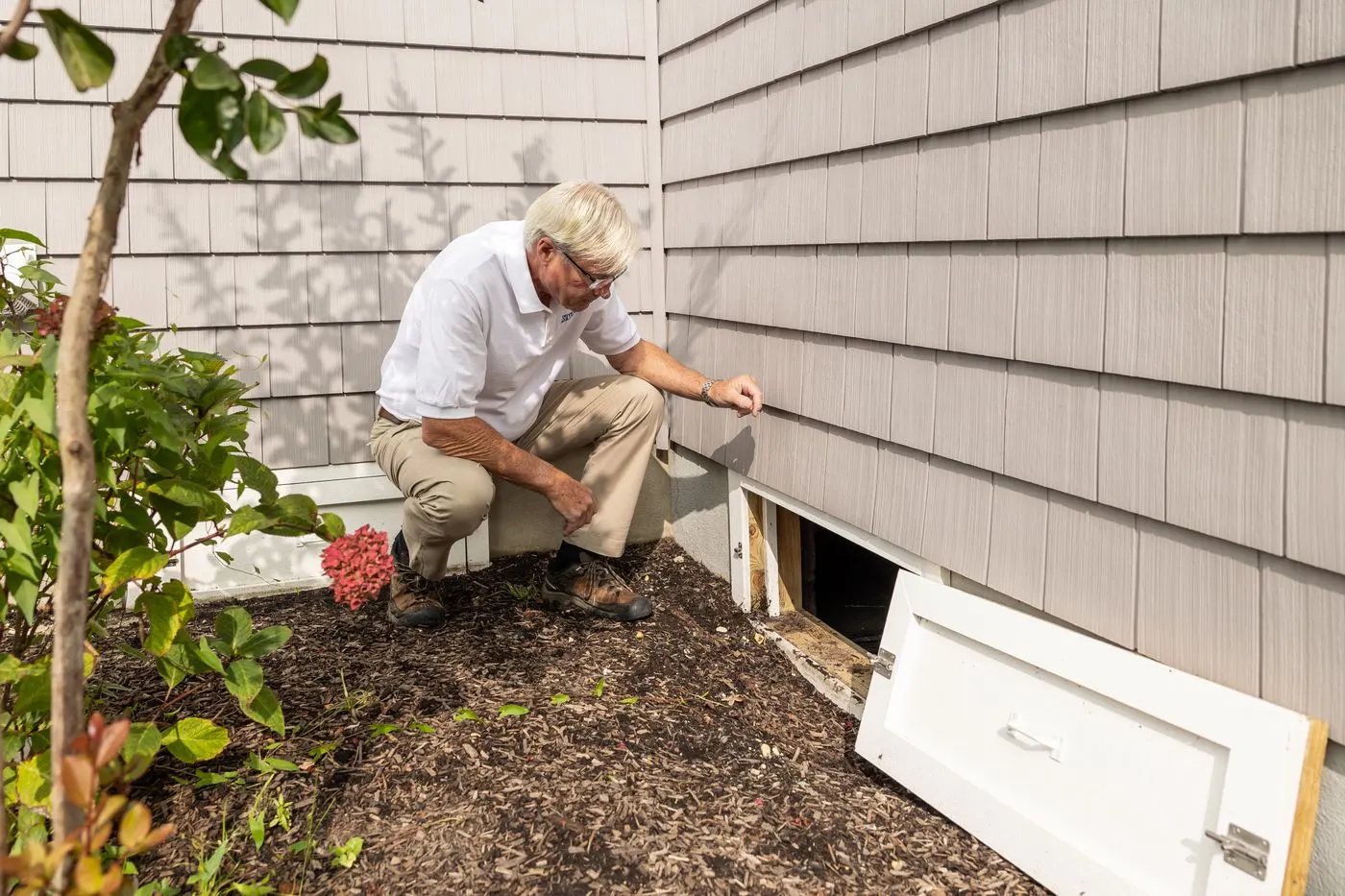
Crawl space encapsulation
Sealing damp crawl spaces with vapor barriers, drainage and dehumidifiers.
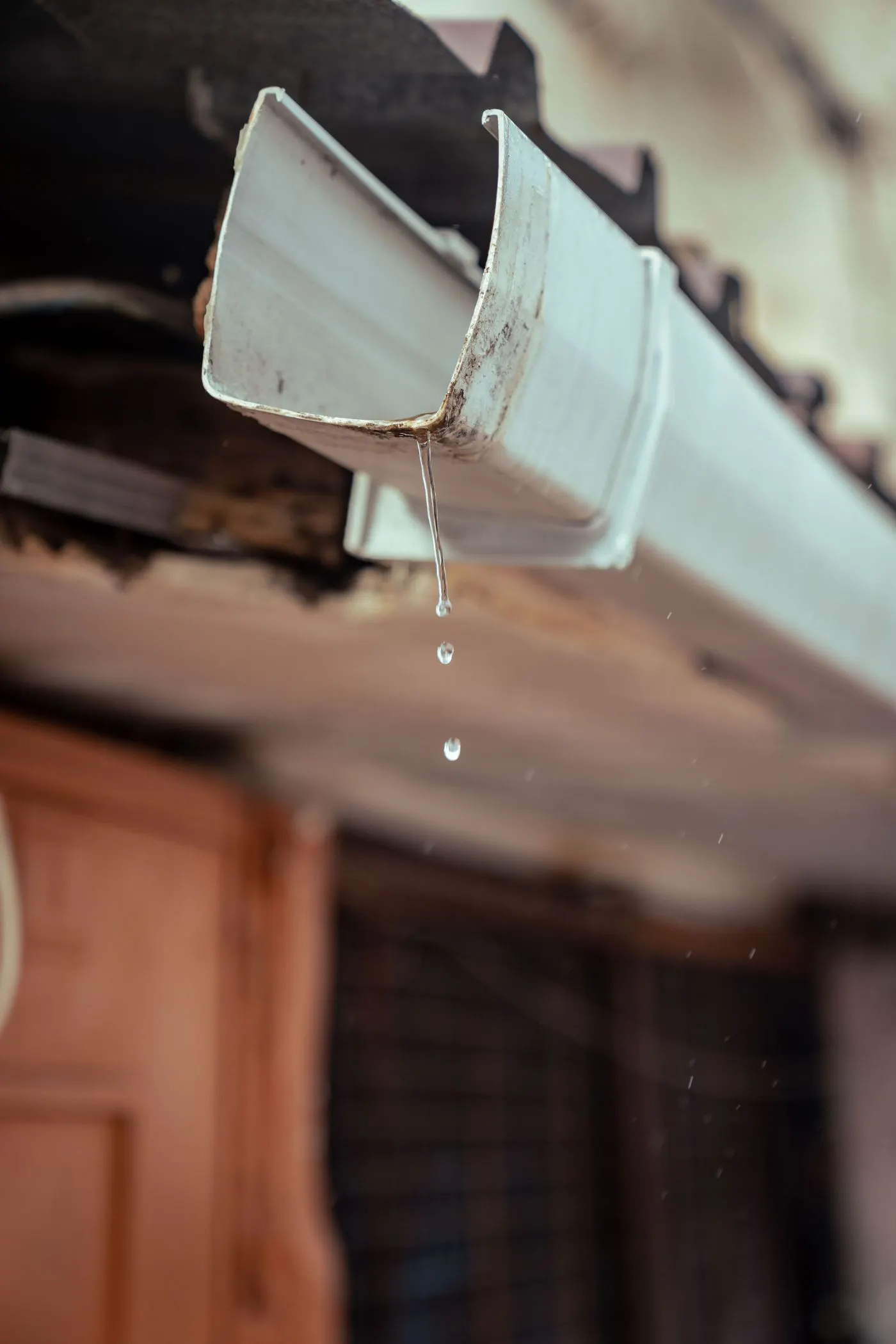
Grading, gutters and window wells
Outside fixes that keep rain and runoff away from the foundation.