Gutters and downspouts
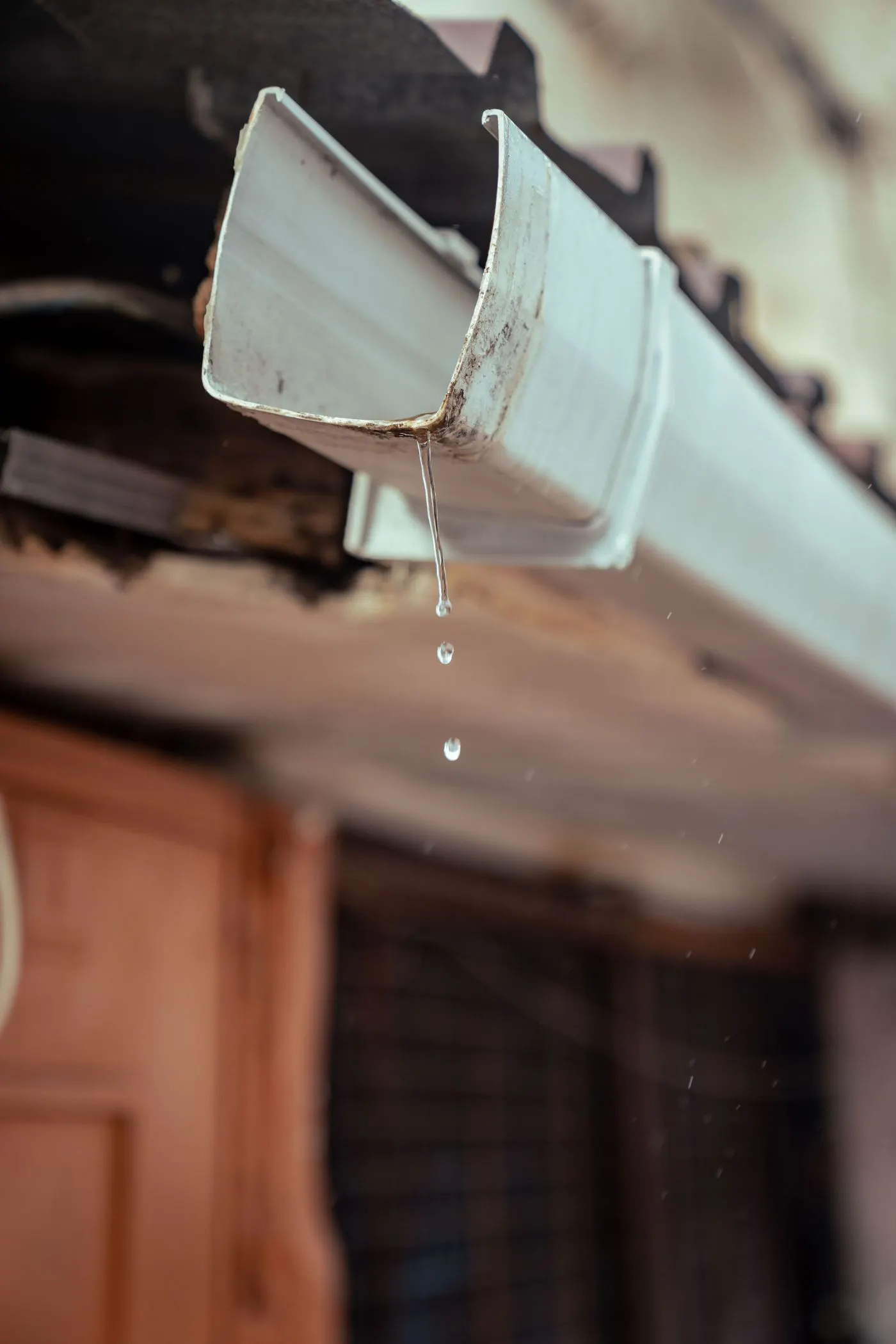
A roof sheds a remarkable amount of water in a heavy storm, and gutters collect most of it into a few downspouts. If those downspouts end at the foundation, all that water soaks into the soil right against the basement wall. Clogged gutters overflow in sheets along the same line. Extending downspouts several feet from the house, or piping them underground to a spot that drains well, can make a basement noticeably drier. Clean gutters in late fall after the leaves drop, which on wooded Scarsdale streets is not optional.
Grading
Soil around a foundation should slope away from the house. Over time, backfill settles, mulch beds build up, and patios or walkways can tilt toward the wall. A contractor can regrade with compacted soil, reset pavers or add a swale that carries water around the house. Keep soil and mulch a few inches below siding to avoid rot and insect problems.
- Soil sloping away from the foundation
- Downspouts extended or piped away
- Walkways and patios pitched away from the house
- Low spots filled or drained
Window wells
Basement windows below grade sit in window wells. A well without a drain fills like a bucket in a hard rain, and the water comes in through the window. Good wells have a gravel base and a drain that connects to the footing drain or an interior system, plus a clear cover to keep out leaves and rain. Rusted or undersized wells can be replaced. If a basement window is used as an emergency exit, the well must stay large enough to climb out of, and building codes set those sizes.
Yard drainage
When the yard itself holds water, contractors use surface drains, shallow French drains or dry wells to collect and move it. Be careful not to send your water onto a neighbor's property, which can cause disputes and may break local rules. Ask the contractor where the water will end up, and whether the village requires a permit or a drainage plan. Scarsdale and other villages pay close attention to stormwater because of the flooding they have seen.
Start here before a bigger job
Roof drains, grading and window wells are where an honest inspection should begin. If you are collecting quotes for interior drains or excavation, ask each contractor whether they checked gutters, downspouts and grading first. A dry season after simple outside fixes can save you thousands, and it tells you whether a larger system is really needed.
Typical outside drainage costs
Published national figures. Not quotes.
| Item | Typical range |
|---|---|
| Soil regrading | about $500 to $3,000 |
| Exterior French drain, per linear foot | about $10 to $100 |
| Gutter installation | about $650 to $1,750 |
National figures, rounded, not quotes. Your price depends on the size of the area, soil, access and how far water must be carried.
Sources: Fixr, basement waterproofing; Fixr, French drain; This Old House, basement waterproofing
Questions homeowners ask
How far should downspouts extend from the house?
Common advice is several feet at minimum, to a spot where the ground slopes away. The goal is to keep roof water from soaking the soil against the foundation.
Can regrading really stop basement leaks?
For leaks caused by surface water, yes, often. It will not stop leaks caused by a high water table, which need drainage.
Do window wells need drains?
Yes, below-grade window wells should drain. A well without a drain can fill in heavy rain and leak through the window.
Other services
Basement waterproofing
Diagnosis and a fix for basements that leak, seep or stay damp.
Interior drainage and French drains
Perimeter drain channels under the basement floor that feed a sump pump.
Sump pump installation
New pumps, replacements and battery backups for wet basements.
Exterior foundation waterproofing
Excavation, membranes and footing drains that keep water off the wall.
Foundation crack repair
Injection and sealing for leaking cracks in poured concrete walls.
Crawl space encapsulation
Sealing damp crawl spaces with vapor barriers, drainage and dehumidifiers.