Which cracks matter
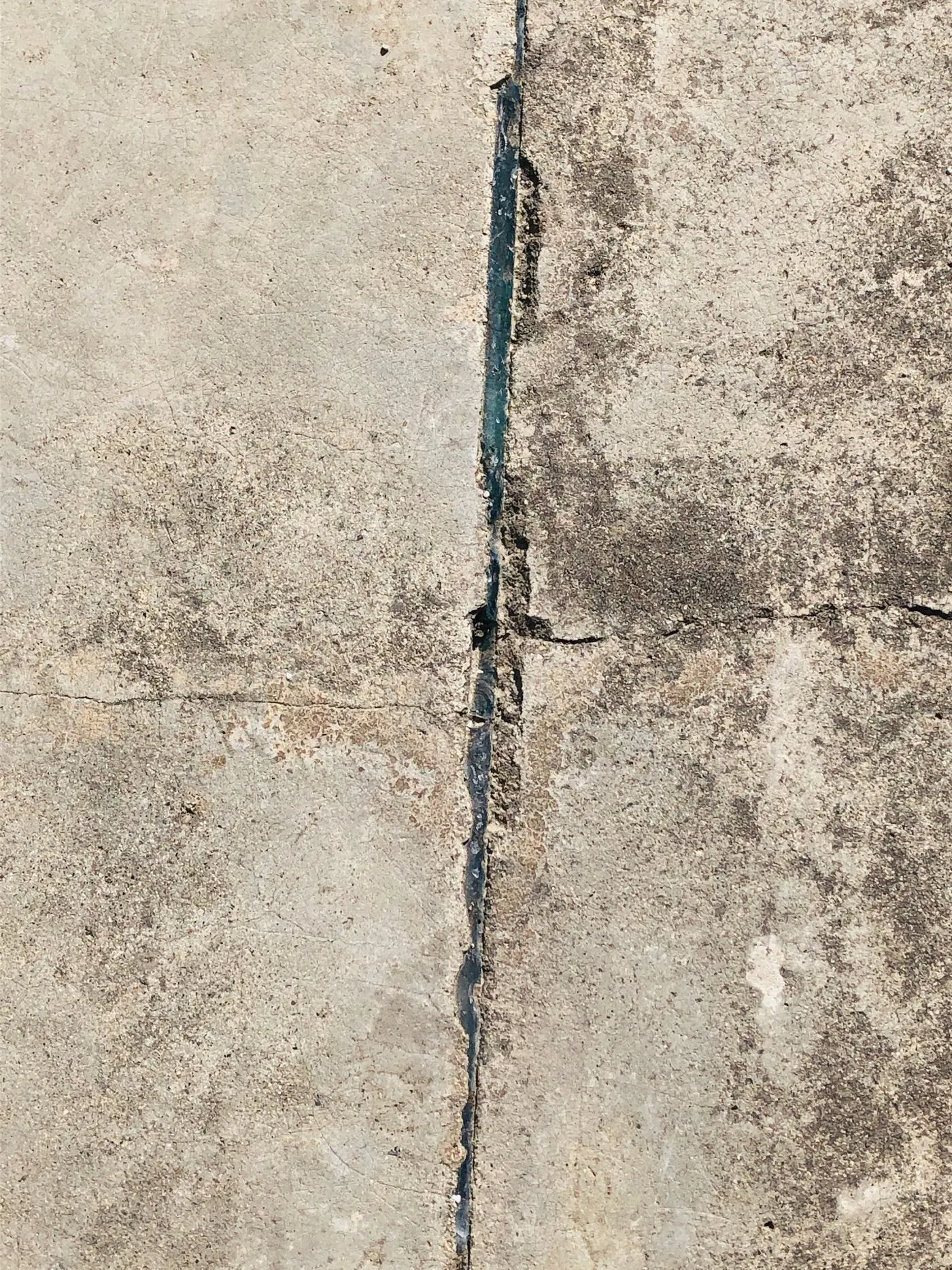
Most poured foundations develop thin vertical or slightly diagonal cracks as the concrete cures and shrinks. Many never leak. Cracks become a waterproofing problem when water comes through them, and a structural concern when they are wide, keep growing, run horizontally, or one side of the crack sits out of line with the other. A wall that bows inward, or a horizontal crack partway up a block wall, should be seen by a structural engineer or a foundation specialist.
- Hairline vertical crack, dry: usually monitor
- Vertical crack that leaks: injection
- Crack wider than about a quarter inch or growing: get it evaluated
- Horizontal crack or bowing wall: structural evaluation
How injection works
For a leaking crack in a poured wall, the contractor cleans the surface, sets small ports along the crack, seals over the face, then pumps polyurethane or epoxy into the ports until it fills the crack through the full wall thickness. Polyurethane foam stays flexible and expands to fill the crack, which suits leaks. Epoxy cures hard and bonds the concrete, which is often used when strength matters. Ask which they plan to use and why.
Injection works well on poured concrete. Block and stone walls leak through many joints rather than one crack, so they usually need a drainage approach instead.
Pipe penetrations and tie holes
Water also comes in around pipes and wires that pass through the foundation, and through old form-tie holes in poured walls. Those spots are sealed in much the same way. If your leak is right at the water or sewer line, mention it in the request.
When a crack is a symptom
Cracks that keep appearing can point to water pressure, poor drainage or soil movement around the house. Fixing gutters and grading takes pressure off the wall and helps repairs last. If a contractor recommends wall bracing or carbon fiber straps, ask whether an engineer has looked at the wall and get a second opinion on large structural work.
Do it right the first time
Hardware-store crack kits exist, and some homeowners have luck with small dry cracks. Leaking cracks under pressure are harder, because the material has to fill the crack all the way through the wall, not just the surface. A failed DIY patch can make a later professional injection harder. For an active leak, a contractor is usually the better call.
Document before and after
Photograph the crack with a tape measure beside it before the repair, and note the date. If you are watching a crack to see whether it grows, mark its ends with a pencil and check every few months. That record helps a contractor or engineer decide what the crack means, and it is useful when you sell the house.
Typical foundation crack costs
National figures from Fixr. Not quotes.
| Job | Typical range |
|---|---|
| Crack sealing or epoxy injection | about $200 to $1,000 |
| Crack injection, per crack (waterproofing guide) | about $250 to $1,000 |
| Carbon fiber wall reinforcement | about $4,000 to $12,000 |
| Bowing wall repair | about $4,000 to $15,000 |
| Foundation repair, most projects | about $2,200 to $8,200 |
National figures, rounded, not quotes. Structural repairs vary widely with the cause and the method.
Sources: Fixr, foundation repair; Fixr, basement waterproofing
Questions homeowners ask
Are foundation cracks normal?
Thin vertical shrinkage cracks are common in poured concrete and often harmless. Cracks that leak, widen, run horizontally or show offset need attention.
How much does crack injection cost?
Fixr lists crack sealing and injection at about $200 to $1,000. Several cracks or difficult access raise the total.
Polyurethane or epoxy?
Polyurethane stays flexible and is common for stopping leaks. Epoxy cures hard and is used when bonding the concrete matters. The contractor should explain the choice.
Do I need an engineer?
For horizontal cracks, bowing walls or cracks that keep growing, a structural engineer's opinion is worth getting before major repairs.
Other services
Basement waterproofing
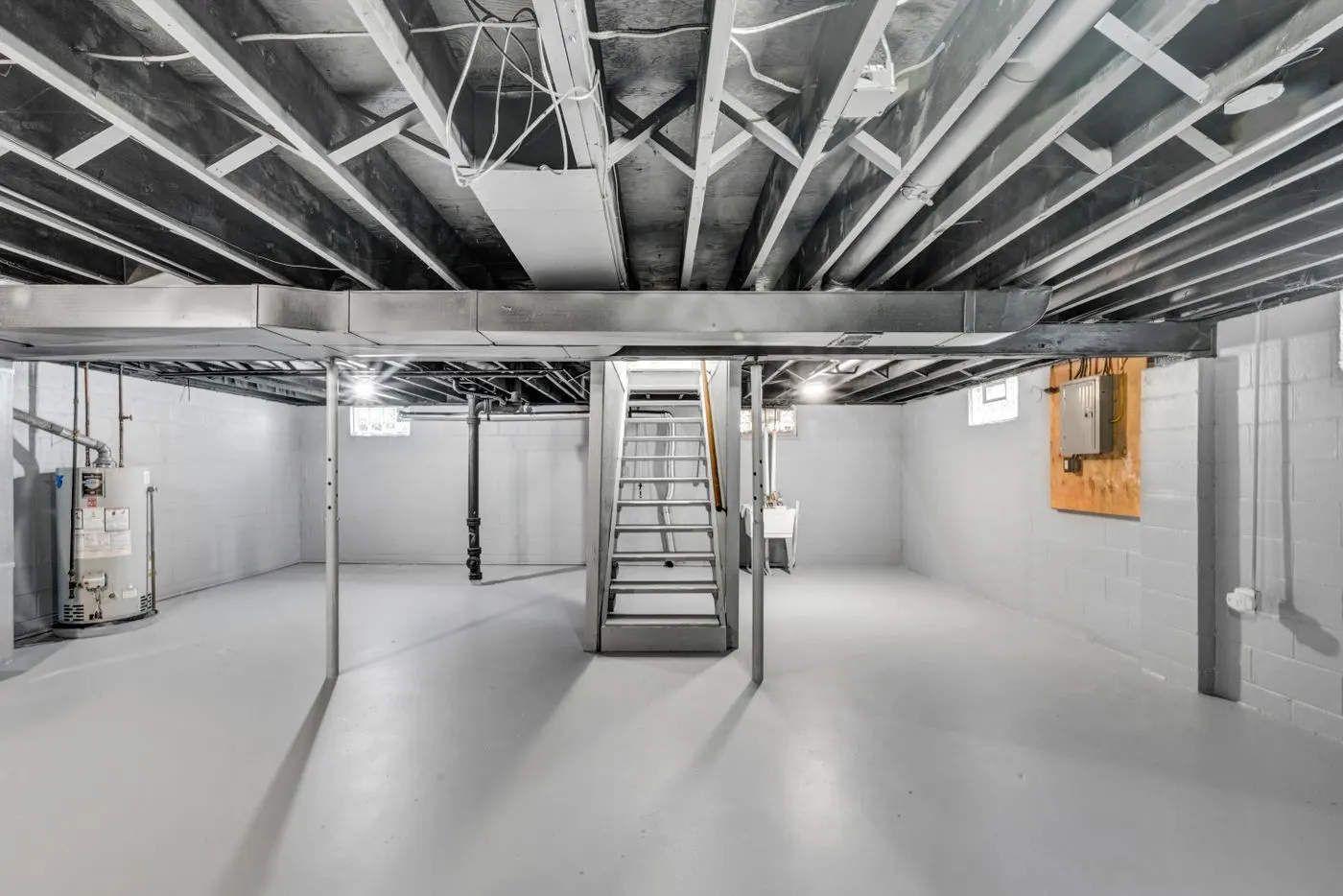
Diagnosis and a fix for basements that leak, seep or stay damp.
Interior drainage and French drains
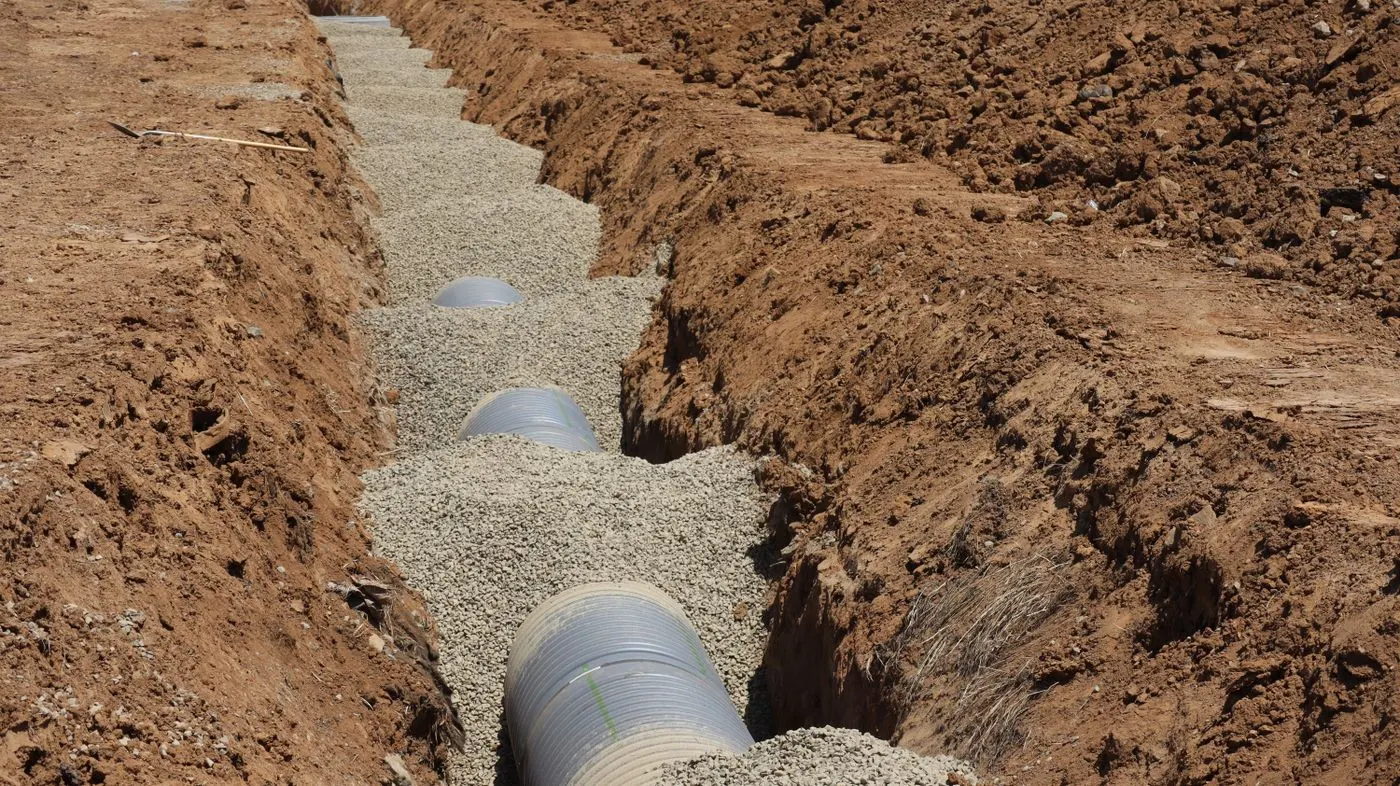
Perimeter drain channels under the basement floor that feed a sump pump.
Sump pump installation
New pumps, replacements and battery backups for wet basements.
Exterior foundation waterproofing
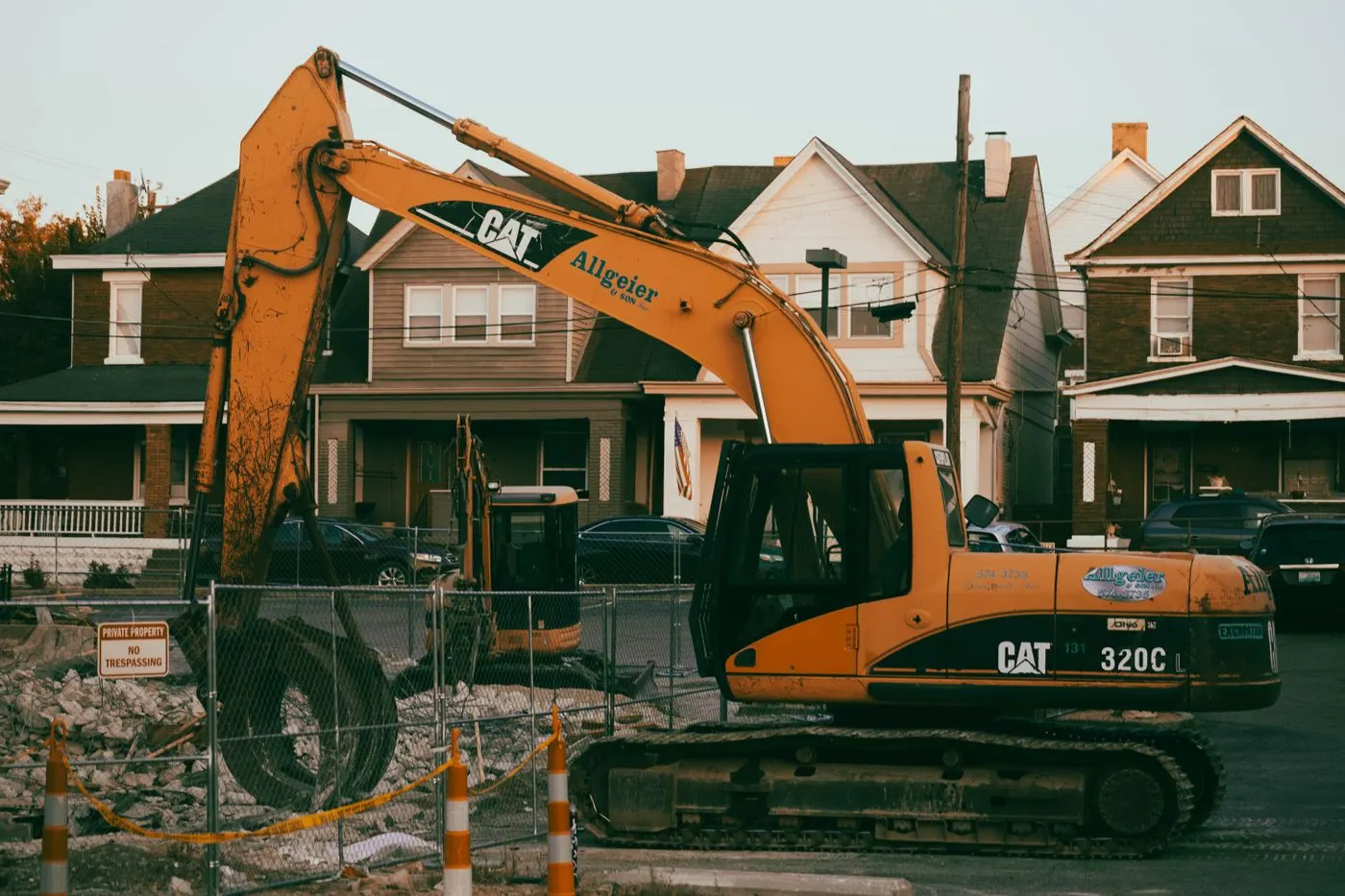
Excavation, membranes and footing drains that keep water off the wall.
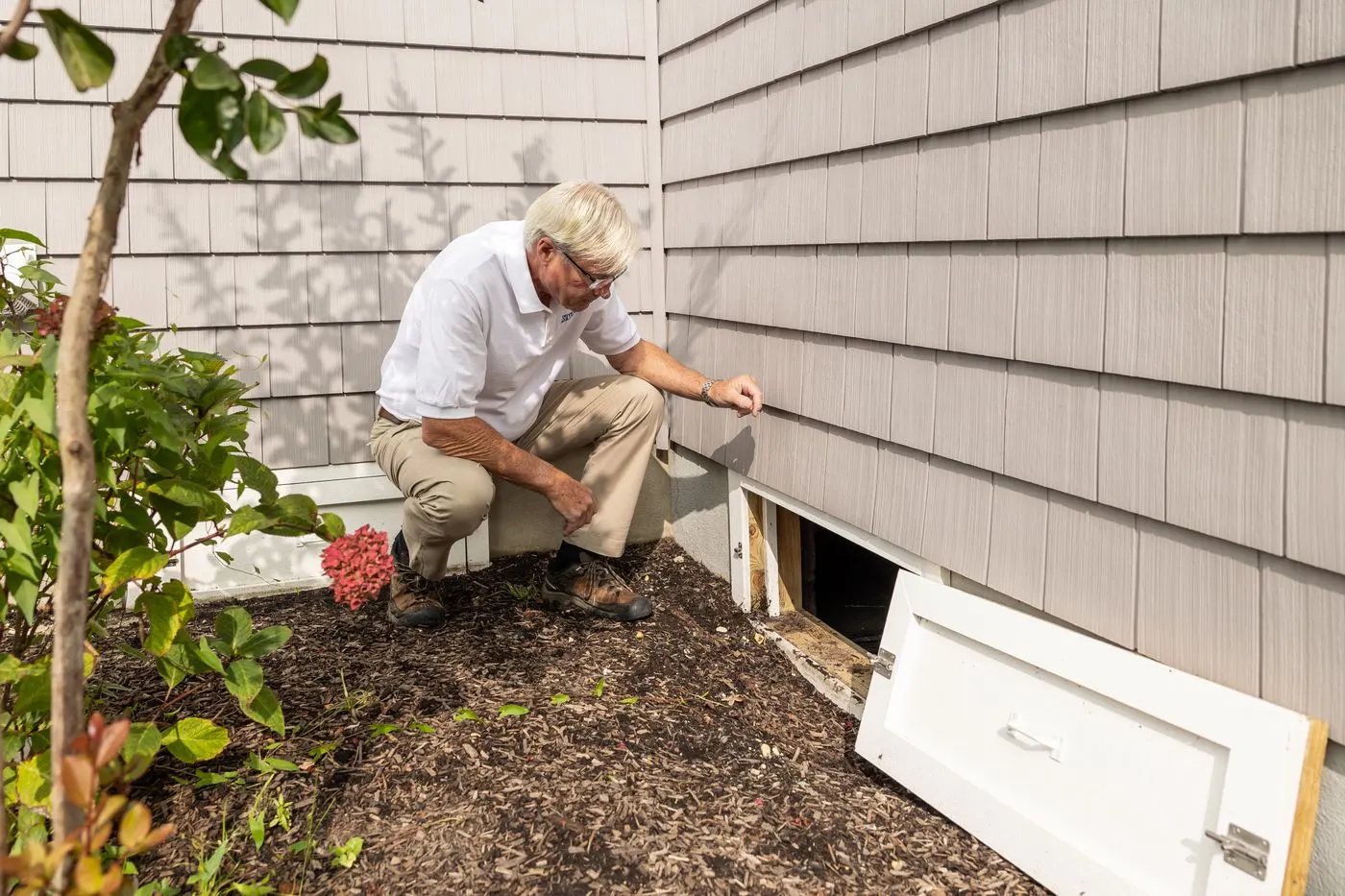
Crawl space encapsulation
Sealing damp crawl spaces with vapor barriers, drainage and dehumidifiers.
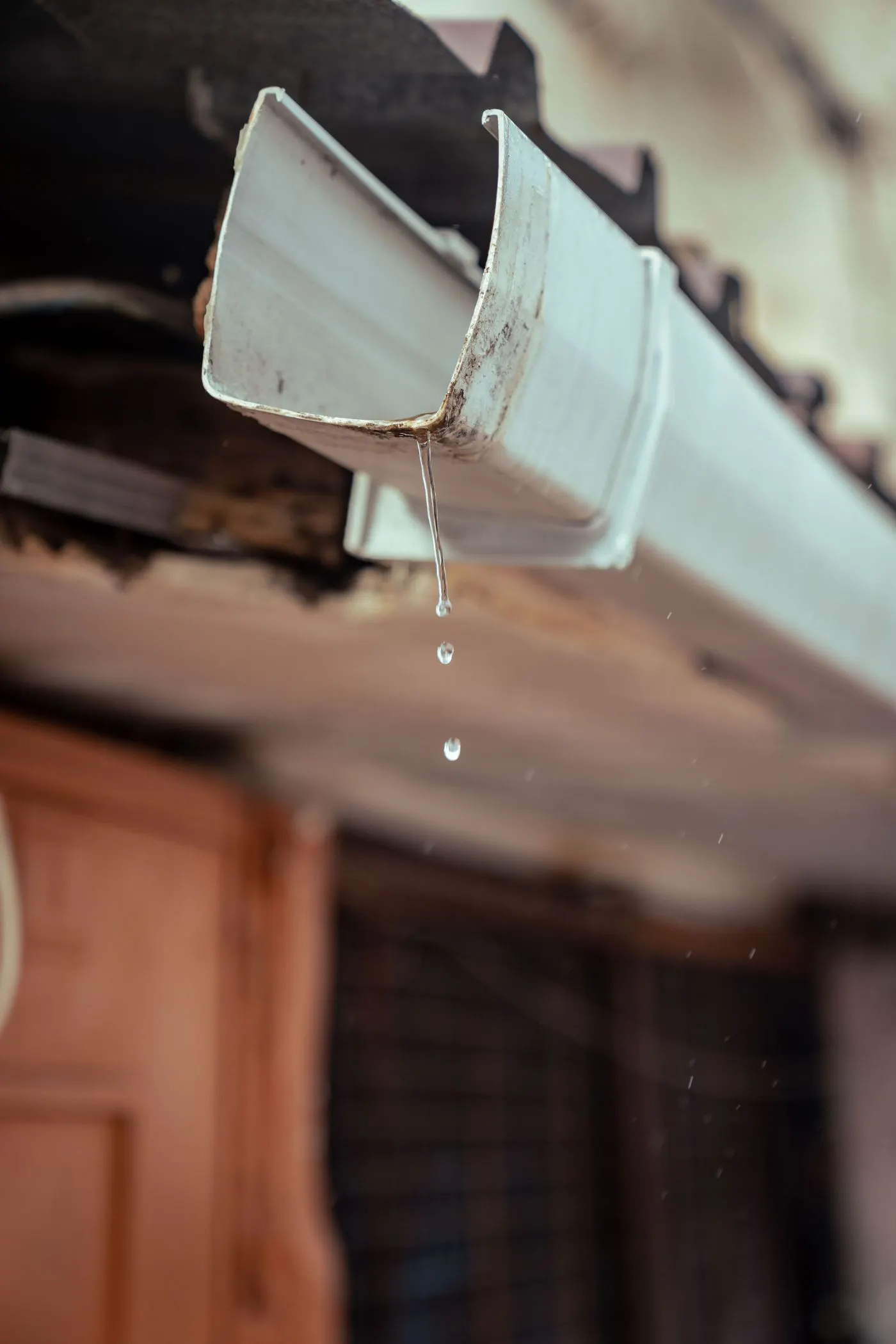
Grading, gutters and window wells
Outside fixes that keep rain and runoff away from the foundation.