Why crawl spaces get damp
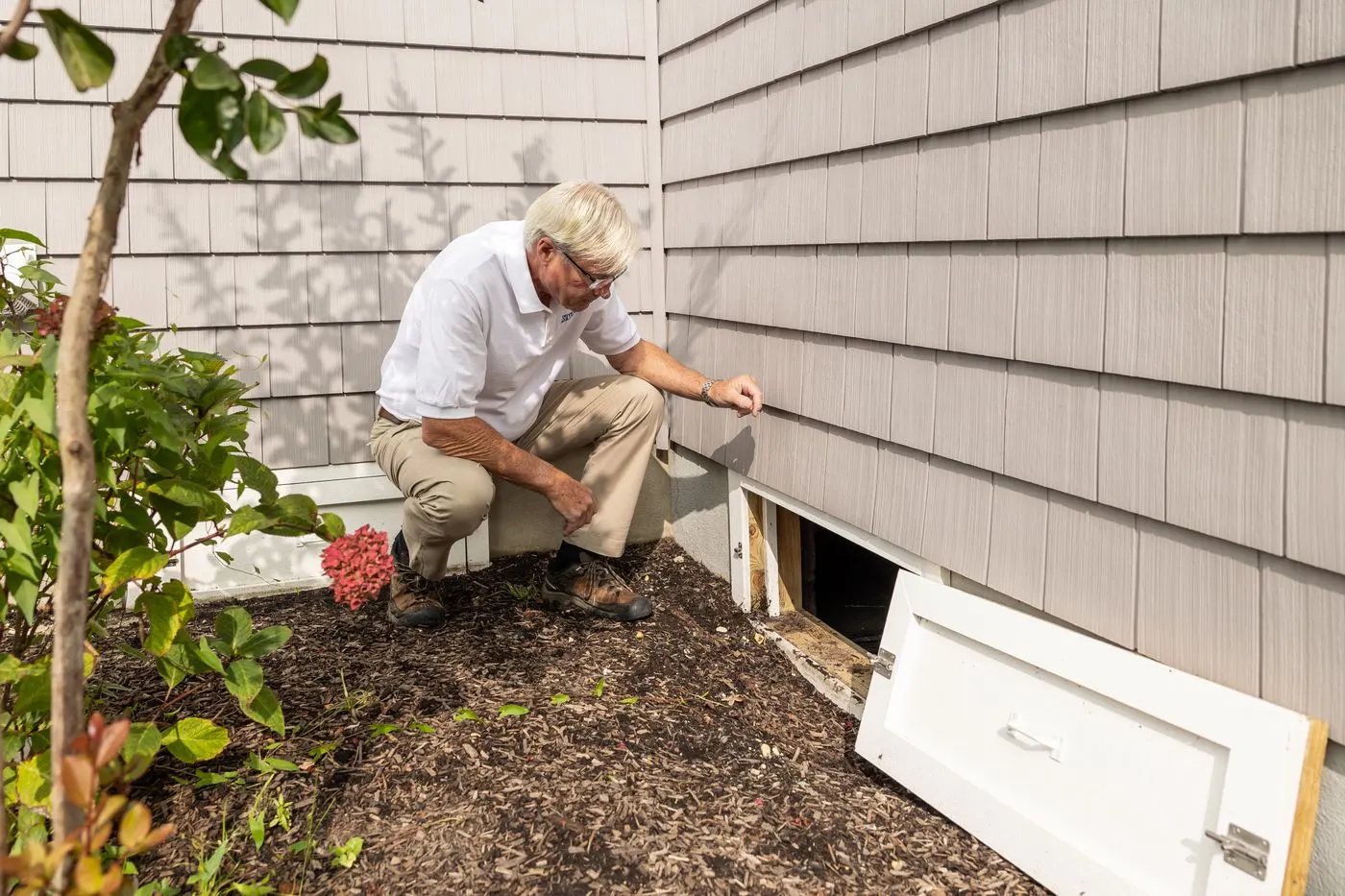
Bare soil gives off moisture constantly. In summer, warm humid outside air comes in through vents and condenses on cooler surfaces. Water from gutters and poor grading can run in after storms. The result can be damp insulation, mold on joists, musty smells in the rooms above and a welcoming place for insects. Some homes in this area have a crawl space under an addition or porch even when the main house has a full basement.
What encapsulation includes
The contractor clears debris, fixes any standing water problem with drainage or a small sump, then lays a thick polyethylene liner across the floor and up the walls, sealing seams and edges. Vents and gaps to the outside are sealed. A dehumidifier, or a small amount of conditioned air from the house, keeps humidity in check. Some jobs also add insulation to the crawl space walls.
- Debris and old insulation removed
- Drainage or sump if water collects
- Heavy liner on floor and walls
- Seams, vents and gaps sealed
- Dehumidifier or conditioned air
- Wall insulation where suitable
Combustion appliances and radon
If a furnace or water heater in or near the crawl space burns gas or oil, sealing the space changes how air moves. A contractor has to make sure that equipment still gets the combustion air it needs. Do not seal around combustion appliances yourself. The EPA recommends testing every home for radon; a sealed crawl space and a sealed sump lid can be part of radon control, but test before and after to be sure.
Questions to ask
Ask how thick the liner is, whether it is sealed to the walls or just laid down, how seams are taped, which dehumidifier they use and where it drains, and whether they will treat any existing mold first. Ask what access they need and how they handle a crawl space with very low clearance.
Pests, wiring and ducts
Crawl spaces often hold ductwork, plumbing and wiring. Ask the contractor to note any leaking ducts, dripping pipes or damaged wires they see, since those need the right trade to fix. Pests and droppings should be dealt with before the liner goes down. A clean, lit, dry crawl space is also much easier for every other contractor to work in later.
Maintenance after encapsulation
Check the liner once or twice a year for tears from pests or stored items, and look at the dehumidifier filter and drain line. If you notice water on top of the liner after storms, call the contractor back, because it means drainage around the house still needs work.
Typical encapsulation costs
National figures from Bob Vila. Not quotes.
| Item | Typical range |
|---|---|
| Crawl space encapsulation, most projects | about $1,500 to $15,000 |
| Encapsulation, per sq. ft. | about $3 to $7 |
| Vapor barrier material, per sq. ft. | about $0.50 to $0.70 |
| Adding a dehumidifier | about $800 to $1,200 |
| Crawl space sump pump | about $650 to $1,800 |
National figures, rounded, not quotes. Your price depends on size, clearance, drainage needs and existing mold or debris.
Sources: Bob Vila, crawl space encapsulation
Questions homeowners ask
Is a vapor barrier the same as encapsulation?
A vapor barrier on the floor is one part. Full encapsulation also covers the walls, seals vents and gaps and controls humidity.
How much does crawl space encapsulation cost?
Bob Vila lists most projects at about $1,500 to $15,000, with a national average near $5,500. Size, access and drainage needs drive the price.
Will encapsulation help the rooms above?
Often. A drier crawl space can reduce musty odors and cold, damp floors above. Results depend on the house.
Other services
Basement waterproofing
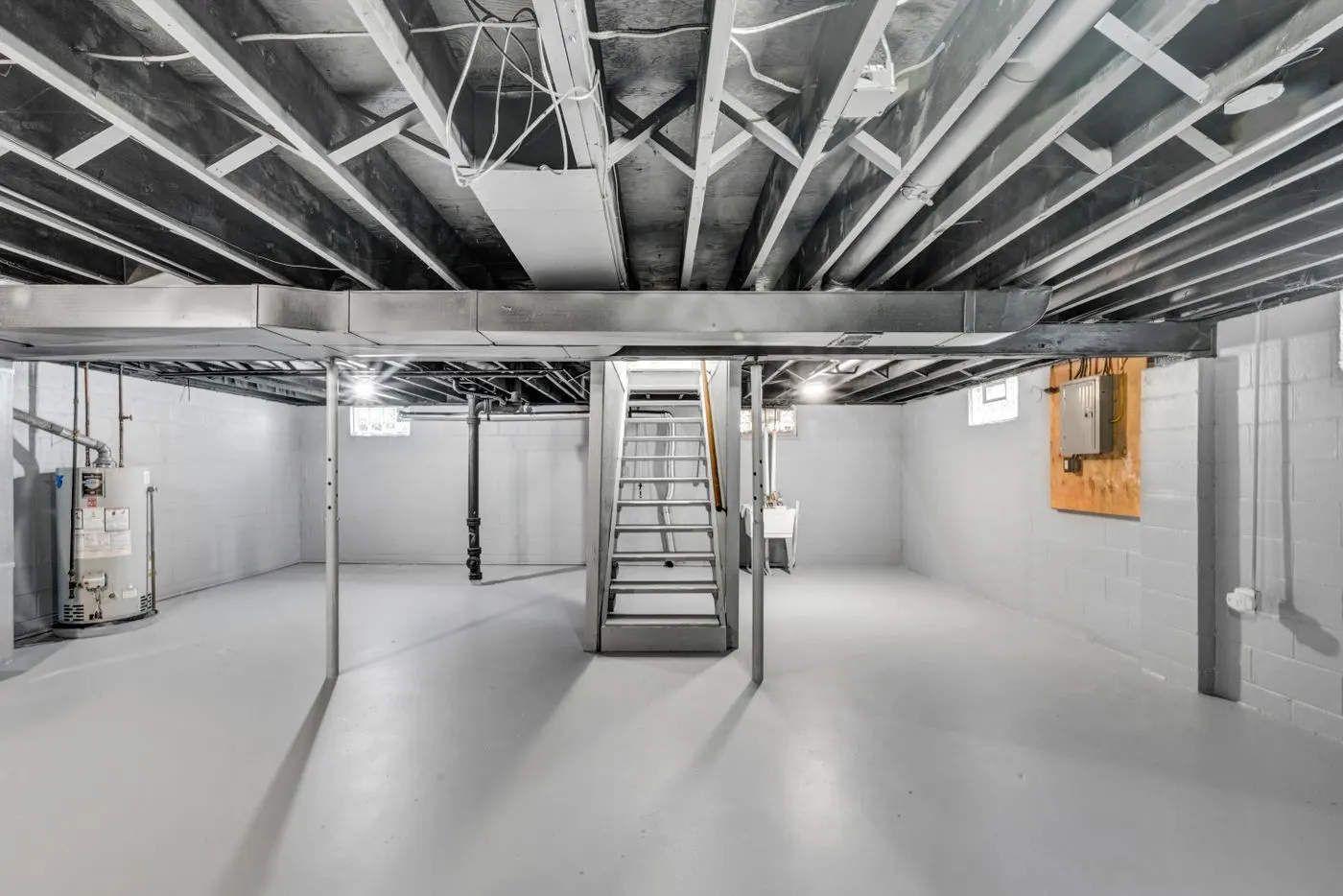
Diagnosis and a fix for basements that leak, seep or stay damp.
Interior drainage and French drains
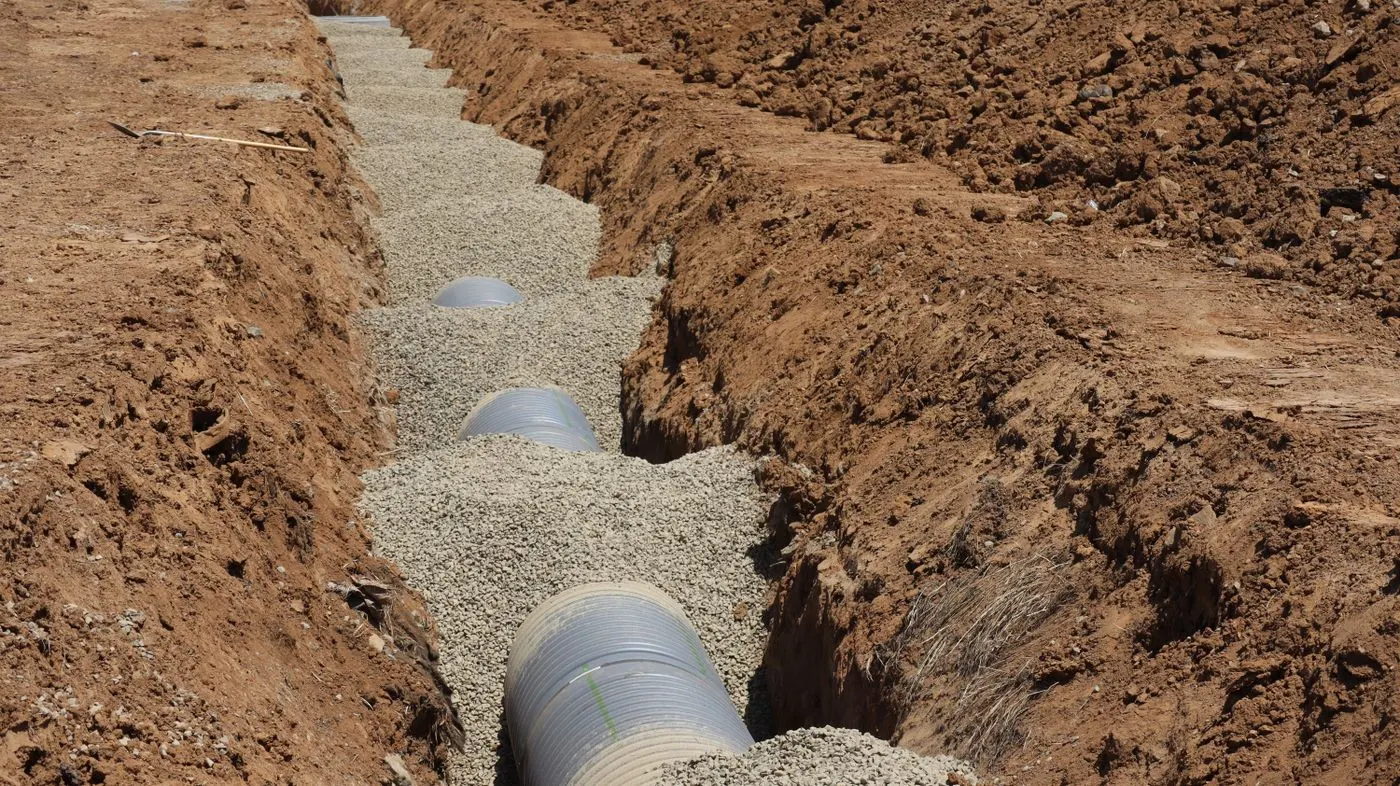
Perimeter drain channels under the basement floor that feed a sump pump.
Sump pump installation
New pumps, replacements and battery backups for wet basements.
Exterior foundation waterproofing
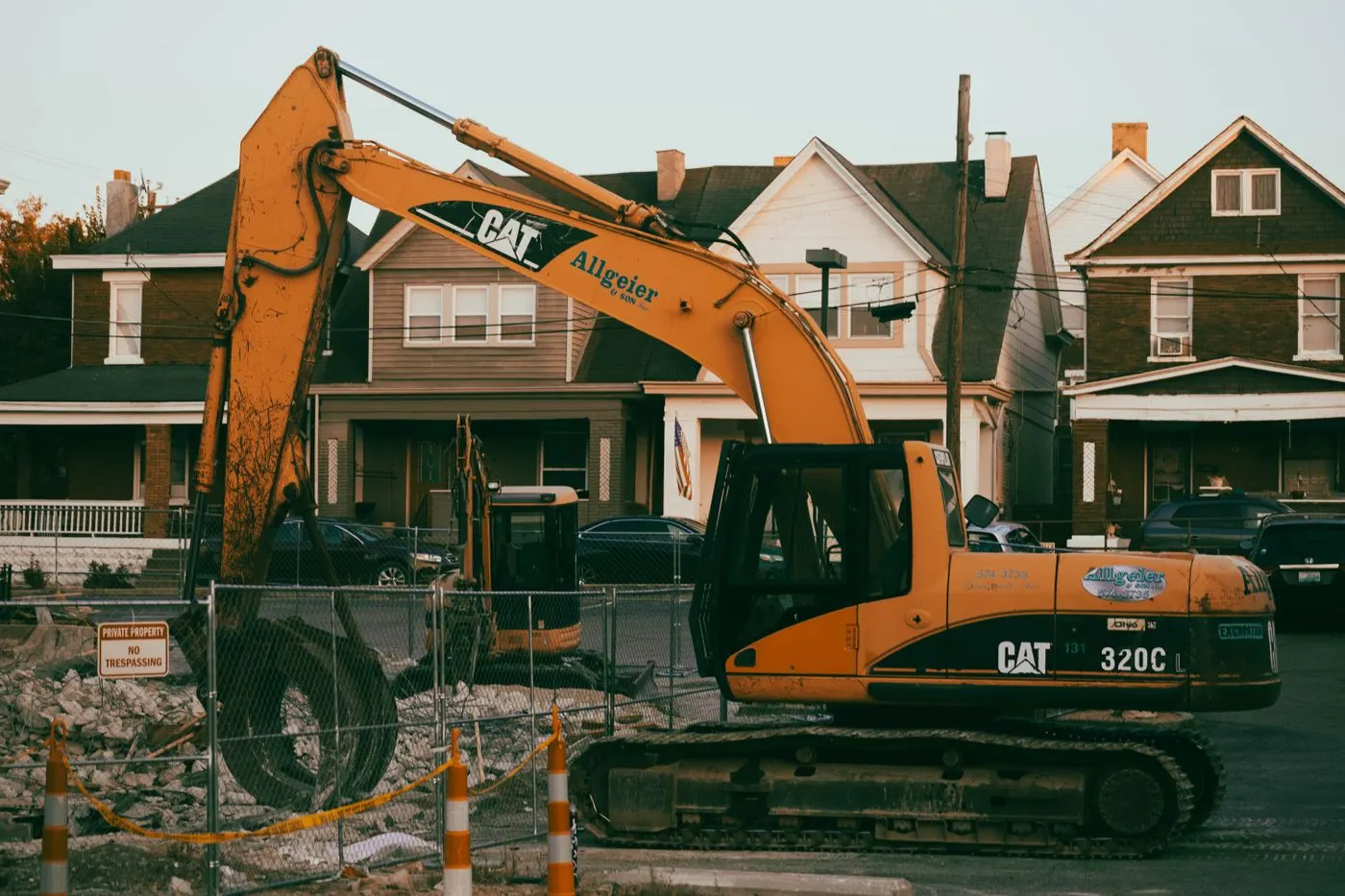
Excavation, membranes and footing drains that keep water off the wall.
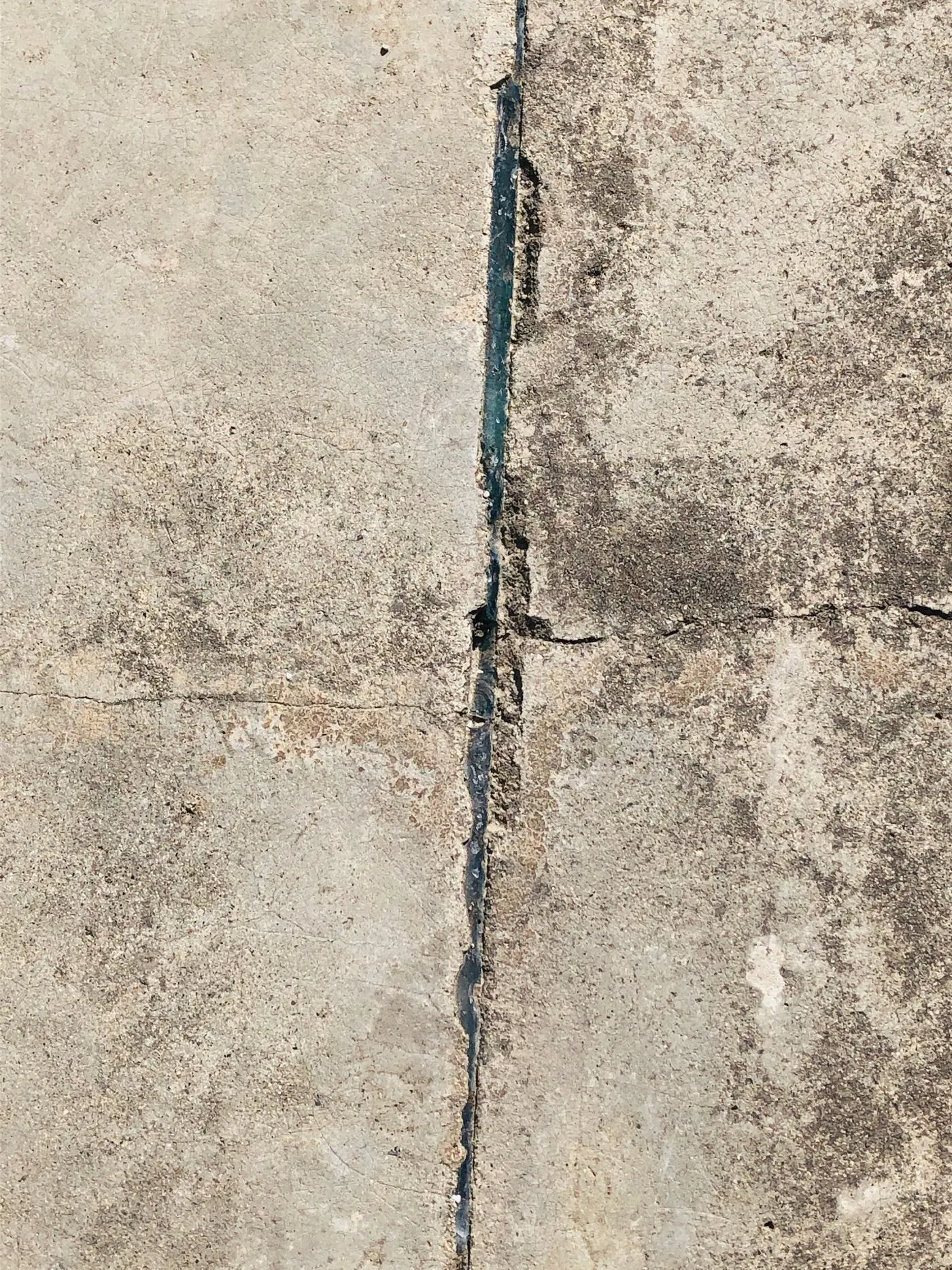
Foundation crack repair
Injection and sealing for leaking cracks in poured concrete walls.
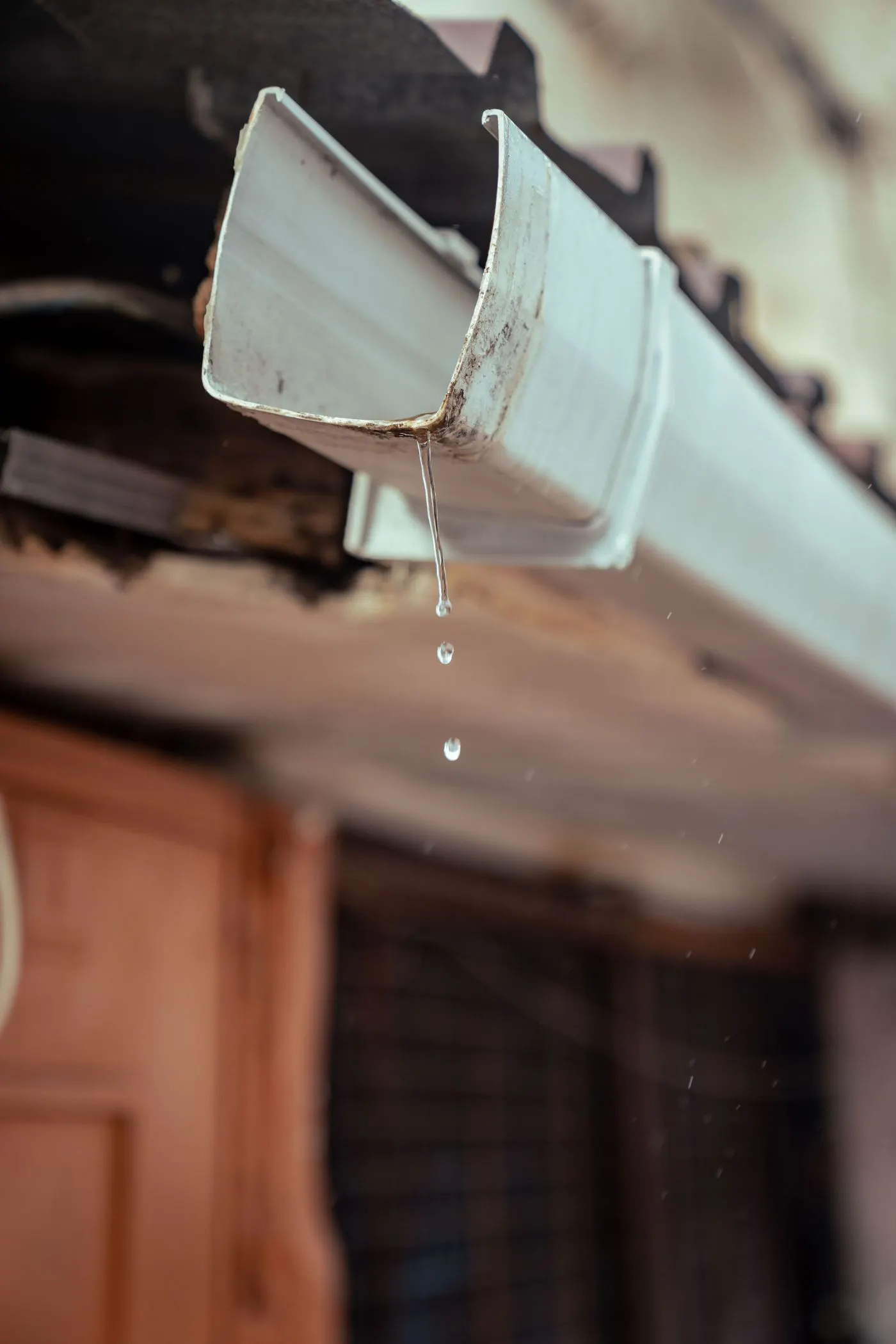
Grading, gutters and window wells
Outside fixes that keep rain and runoff away from the foundation.